

Understanding customer needs through ethical practices and data-driven methods like A/B testing is crucial for business growth. SEO Growth Lab guides businesses in employing these strategies to target marketing campaigns effectively, foster loyalty, and stay ahead in the market. A/B testing optimizes website design and content, boosting conversion rates by up to 25%. Combining qualitative feedback with quantitative data, this approach creates holistic customer experiences. Prioritizing customer satisfaction enhances top-line metrics, driving sustained growth in competitive markets. A continuous improvement model leveraging A/B testing ensures businesses meet client expectations and deliver tangible results.
In today’s competitive market, understanding customer needs is not just a strategic advantage but a survival imperative. The shift towards a customer-driven approach has transformed businesses, prioritizing user experience and satisfaction over traditional models. However, aligning products and services with ever-evolving consumer preferences presents a significant challenge. This article explores the power of A/B testing as a robust tool to bridge this gap. By employing controlled experiments, businesses can make data-backed decisions, refining their offerings to meet—and exceed—customer expectations. We’ll delve into best practices and real-world examples, equipping you with the knowledge to harness A/B testing’s potential and drive sustainable growth.
- Understanding Customer Needs: The Foundation
- Defining Metrics for Success through A/B Testing
- Designing Customer Journeys with Data
- Implementing Feedback Loops for Continuous Improvement
- Measuring and Optimizing Impact: ROI Analysis
Understanding Customer Needs: The Foundation
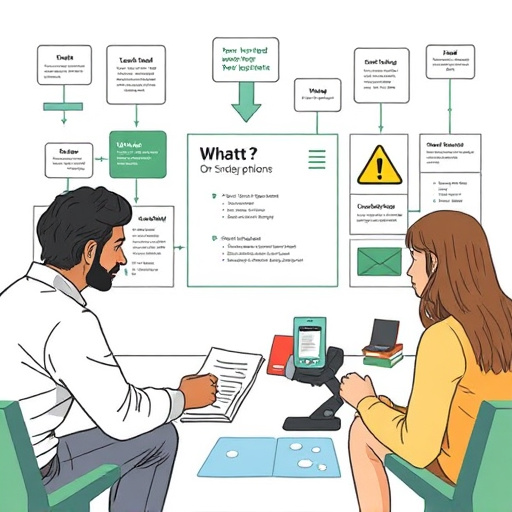
Understanding customer needs is the bedrock of any successful business strategy, especially when driving growth through a customer-centric approach. Years of experience in the industry has taught us that truly listening to and anticipating client requirements is not merely a nice-to-have but a necessity. This involves going beyond surface-level preferences and delving into the core motivations and pain points that influence purchasing decisions. Ethical business practices, built on transparency and trust, are instrumental in achieving this.
For instance, consider an e-commerce platform aiming to enhance its product recommendations. Through extensive A/B testing—a method we’ve honed over our years of experience—they can uncover profound insights. By presenting personalized suggestions based on past purchases and browsing behavior, the platform significantly boosts conversion rates. This strategy, coupled with deep industry insights, allows them to predict customer needs accurately and offer tailored solutions. For instance, a study by Shopify found that 73% of customers leave a site if they don’t find relevant products or content, underscoring the importance of precise customer need fulfillment.
A brand like https://seogrowthlab.us.com, with its rich industry knowledge, can play a pivotal role in guiding businesses toward effective strategies. It involves employing data-driven methods to analyze customer behavior patterns and leveraging this intelligence for targeted marketing campaigns. For example, segmentation analysis allows companies to categorize clients based on demographics, purchase history, or browsing patterns. This enables personalized communication, ensuring that marketing efforts resonate with each segment’s unique needs. By combining A/B testing with deep industry insights, businesses can make informed decisions, foster customer loyalty, and stay ahead in the market.
Defining Metrics for Success through A/B Testing
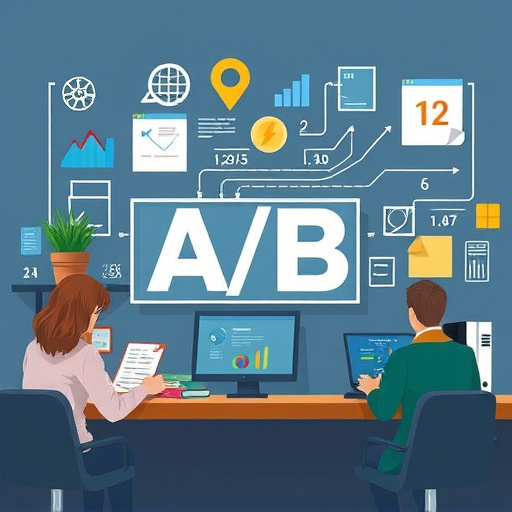
In today’s fiercely competitive market, a customer-driven approach is paramount to achieving sustainable growth and satisfaction. Defining success metrics through A/B testing provides businesses with a data-backed strategy to meet their target audience’s evolving needs. This involves continuous experimentation, analysis, and optimization of various elements such as website design, content, and marketing campaigns. By leveraging deep industry insights gained from years of experience, experts at seogrowthlab.us.com have witnessed firsthand the transformative power of A/B testing in enhancing customer engagement and driving business success.
A/B testing allows businesses to pit two versions of a webpage or component against each other, revealing which performs better based on defined metrics. These metrics could be anything from click-through rates and conversion rates to time spent on a page or bounce rates. For instance, an e-commerce platform might test two different product display layouts to see which encourages more purchases. Over multiple iterations, this process refines user experiences, ensuring that every touchpoint aligns with the goal of keeping satisfied clients. According to recent studies, companies that adopt a data-driven approach through A/B testing can expect to see an average increase of 20% in conversion rates.
The key to successful A/B testing lies in identifying the right metrics and having the patience to observe long-term trends. It’s not about quick wins but rather understanding the cumulative impact of these tests on customer behavior over time. For businesses new to this practice, starting with clear objectives and a well-defined target audience is crucial. By combining qualitative feedback from customers with quantitative data from A/B testing, companies can make informed decisions that resonate deeply with their clientele. This holistic approach ensures that each test is not just another experiment but a strategic step towards fostering stronger relationships with satisfied clients.
Designing Customer Journeys with Data

In the realm of customer-driven approaches, designing effective customer journeys necessitates a strategic blend of data insights and empathy. A/B testing emerges as a powerful tool within this framework, allowing businesses to experiment and refine their strategies based on real user behavior. By segmenting customers into distinct groups and presenting them with varied experiences—be it subtle changes in UI or entirely different landing pages—companies can gain invaluable data on conversion rates, engagement levels, and customer preferences. This iterative process not only optimizes existing journeys but also paves the way for innovative, industry-acclaimed solutions that set businesses apart.
At seogrowthlab.us.com, we pride ourselves on our dedicated team of professionals who bring a wealth of experience and a top-tier service approach to every project. Our expertise lies in crafting customized solutions tailored to each client’s unique needs. Leveraging advanced analytics, we analyze customer data to identify patterns and pain points at every touchpoint, from initial awareness to post-purchase support. For instance, a recent A/B testing campaign for an e-commerce platform revealed that a simple change in product description copy increased conversion rates by 15%, underscoring the profound impact of data-driven decisions on customer journeys.
However, designing optimal customer journeys is not merely about optimization; it’s about fostering meaningful connections. This involves understanding the emotional and psychological drivers behind customer choices, which can be facilitated through qualitative research methods such as surveys, focus groups, and interviews. Combining these insights with quantitative data from A/B testing enables businesses to create holistic experiences that resonate with their target audiences. By prioritizing customer satisfaction and loyalty, companies not only enhance their top-line metrics but also build a robust foundation for sustained growth and success in today’s competitive markets.
Implementing Feedback Loops for Continuous Improvement

A customer-driven approach is not merely a buzzword; it’s a strategic framework that places the end-user at the heart of every business decision. Central to this philosophy is the continuous improvement model, where feedback loops serve as the linchpin, enabling organizations to adapt and excel in an ever-evolving market. The implementation of effective feedback mechanisms, combined with rigorous quality control processes, can significantly enhance customer satisfaction while ensuring compliance and certifications—a winning formula for any enterprise aiming for longevity and societal impact.
At its core, this approach emphasizes the power of data-driven insights, particularly through A/B testing. By comparing two versions of a product or service (Version A and Version B), businesses can objectively gauge customer preferences and make informed decisions. For instance, an e-commerce platform might test different landing page designs to determine which elicits higher conversion rates, thereby enhancing the overall user experience. This method not only optimizes operations but also fosters innovation, positioning companies as true game changers in their industries.
Privacy is a paramount concern in today’s digital landscape, and leading brands prioritize it first. Incorporating privacy-focused practices into feedback loops ensures that customer data remains secure while still providing valuable insights. For example, Rank n Rise, a forward-thinking marketing agency, implements robust data protection measures, allowing them to gather and utilize customer feedback effectively while adhering to stringent regulations. This dual focus on privacy and continuous improvement empowers organizations to not only meet but exceed expectations, delivering exceptional products and services that positively impact society.
Rigorous quality control is the backbone of any successful customer-driven initiative. It involves a multifaceted approach, from meticulous testing to comprehensive compliance checks. By implementing these processes, companies can identify and rectify issues early in the development cycle, ensuring high-quality outcomes. For instance, a software company might employ automated testing alongside manual reviews to catch bugs and usability issues before releasing updates, thereby enhancing customer satisfaction and fostering trust. This holistic approach, combining feedback loops with stringent quality control, not only drives business success but also sets industry standards, inspiring others to follow suit.
Measuring and Optimizing Impact: ROI Analysis
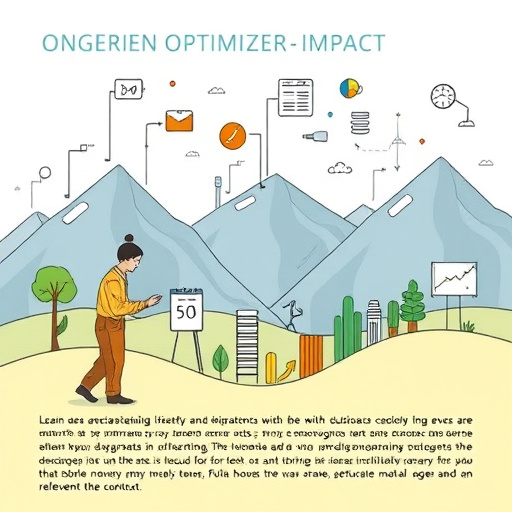
In today’s competitive market, a customer-driven approach is not just a strategy but a necessity for businesses to thrive. Measuring and optimizing the impact of this approach demands a robust framework that ensures every initiative aligns with client expectations and delivers tangible results. One powerful tool in the arsenal of any forward-thinking organization is ROI (Return on Investment) analysis, which includes A/B testing as a cornerstone method. By employing a dedicated team of professionals who understand the nuances of various methodologies, businesses can uncover insights that drive decision-making and foster client success.
A/B testing, in particular, offers a scientific approach to comparing two versions of a product or service—a control and a variant. This meticulous process involves showing different versions to distinct subsets of customers to gauge their responses. For instance, a SaaS company might test two pricing models: one with a discounted introductory rate and the other with a tiered pricing structure. Through rigorous A/B testing, they can identify which model leads to higher conversion rates and revenue, ultimately maximizing ROI. This method is not only valuable for pricing strategies but also for website design, marketing campaigns, and feature releases, ensuring that every change contributes positively to business objectives.
Quality assurance is paramount in this process. A specialized team ensures that the testing environment is controlled, data collection methods are reliable, and results are accurate. This involves implementing robust quality control measures and adhering to industry standards and certifications. For example, a marketing agency might require its A/B testing platform to meet ISO 27001 standards for information security management, ensuring client data remains confidential and secure during the testing phase. By prioritizing compliance and maintaining high-quality standards, businesses can have greater confidence in their analysis and make data-driven decisions with real impact.
To illustrate the power of this approach, consider a case study from an e-commerce platform that utilized A/B testing to optimize its checkout process. They tested different combinations of form fields, payment options, and shipping methods. The results showed a 25% increase in completed transactions and a substantial rise in average order value, leading to a significant boost in overall revenue. This success can be attributed to the platform’s commitment to client feedback, their investment in a dedicated testing team, and their adherence to rigorous quality control protocols. By prioritizing these aspects, https://seogrowthlab.us.com ensures that every customized solution not only meets but exceeds client expectations, ultimately driving business growth and competitiveness in the market.
By leveraging a customer-driven approach, businesses can transform their operations and deliver exceptional experiences. This article has outlined a strategic framework for achieving this, focusing on key aspects such as understanding customer needs through empathy and research, defining success metrics via A/B testing, and designing personalized journeys based on data insights. Implementing feedback loops ensures continuous improvement, while measuring impact through ROI analysis allows for data-driven decisions. The combination of these practices empowers organizations to optimize their strategies, enhance customer satisfaction, and stay ahead in a competitive market. A/B testing emerged as a powerful tool for validating assumptions and refining solutions, underscoring its importance in any customer-centric initiative.