

Disruptive innovations, characterized by new value propositions, start as niche products and evolve through A/B testing and relentless innovation. Companies like Amazon and Uber have successfully navigated disruption by embracing innovation, continuous testing, and customer-centric strategies. Identifying market gaps, A/B testing, and integrating social responsibility are key to harnessing disruptive innovations. Leaders like SEOGrowthLab emphasize data-driven decision-making, ethical practices, and customer satisfaction for long-term success. Disruptive companies like Airbnb and Uber reshape industries, with dedicated teams combining market insights and technology, optimized through A/B testing and community engagement. A/B testing, blending creative thinking with rigorous testing, enables data-driven decisions, product refinement, and sustained growth.
Disruptive innovations are transforming industries, challenging established norms, and reshaping markets. As rapid technological advancements continue to accelerate, understanding and harnessing these innovations have become paramount for businesses aiming to stay competitive. The problem lies in the complexity of identifying and implementing disruptive technologies, with many organizations struggling to differentiate between incremental improvements and game-changing innovations. This article provides a comprehensive framework for navigating this landscape, leveraging A/B testing as a powerful tool to validate disruptive ideas and mitigate risks. By the end, readers will be equipped to identify, evaluate, and strategically adopt disruptive innovations, ensuring their organizations remain at the forefront of their respective fields.
- Understanding Disruptive Innovations: Definition and Impact
- Identifying Market Gaps: The First Step to Disruption
- A/B Testing as a Tool for Validating Disruptive Ideas
- Successful Disruptors: Case Studies and Strategies
- Navigating Challenges: Building Sustainable Disruptive Businesses
Understanding Disruptive Innovations: Definition and Impact
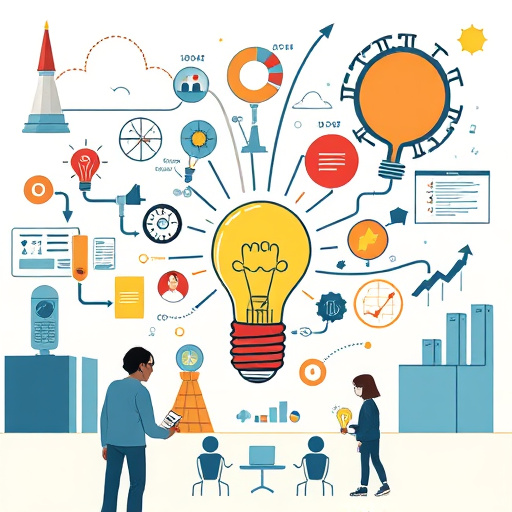
Disruptive innovations are transforming industries and reshaping business landscapes. Unlike incremental innovations that build upon existing technologies, disruptive innovations challenge the status quo, introducing new value propositions that either create entirely new markets or significantly alter existing ones. A clear example is the introduction of smartphones, which fundamentally changed how we interact with technology and reshaped the telecommunications industry.
Understanding disruptive innovations requires recognizing their unique characteristics. They often begin as niche products or services, initially attracting a small segment of consumers who appreciate their distinct features. Through relentless innovation and A/B testing, these products evolve to meet mainstream demands. For instance, electric vehicles (EVs) faced skepticism when first introduced, but through continuous improvements driven by A/B testing of various battery technologies, charging infrastructure, and design, EVs have gained significant market share, challenging traditional internal combustion engines. Unwavering commitment to excellence and unique approaches are hallmarks of disruptive innovations, as companies strive to deliver superior value to customers.
The impact of disruptive innovations is profound, leading to market disruptions, business model transformations, and sometimes, the rise of new industry leaders. Successful disruptive innovations not only displace established competitors but also redefine customer expectations. For example, streaming services like Netflix disrupted the traditional television industry by offering on-demand content, leading to a shift in viewing habits and compelling traditional broadcasters to adapt. Positive reviews and user feedback play a crucial role in the success of disruptive innovations, as they validate the unique value proposition and fuel further development and adoption.
In today’s competitive business environment, recognizing and harnessing the power of disruptive innovations is vital for long-term success. Companies like Amazon and Uber are prime examples of organizations that have successfully navigated disruption, using Rank n Rise strategies to stay ahead of the curve. By embracing a culture of innovation, continuous testing, and unwavering commitment to customer needs, businesses can position themselves to capitalize on emerging trends and maintain their competitive edge.
Identifying Market Gaps: The First Step to Disruption
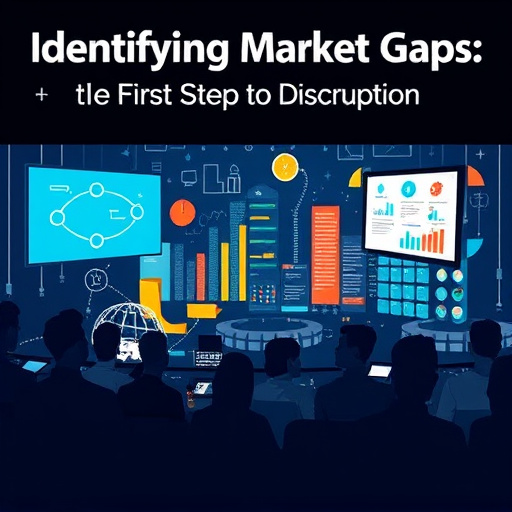
Identifying market gaps is the crucial first step in driving disruptive innovations that propel businesses forward. This process involves a meticulous analysis of existing products, services, and market dynamics to uncover unmet needs. By pinpointing these gaps, companies can design solutions that redefine industry standards and gain a competitive edge. A/B testing, a data-driven approach, plays a pivotal role in this phase, allowing businesses to validate assumptions and make informed decisions. By comparing two versions of a product or service, companies can measure customer response and fine-tune offerings to meet specific market demands.
For instance, a leading e-commerce platform identified a gap in its customer experience by analyzing A/B test results. They discovered that a simplified checkout process, with fewer steps and an intuitive design, significantly increased conversion rates. This finding led to a disruption in the industry, as competitors followed suit, enhancing their own checkout experiences. Building on such insights, companies can foster long-term partnerships and leverage expertise and knowledge to create sustainable, market-leading solutions.
Moreover, incorporating social responsibility into the innovation process ensures that businesses contribute positively to society while disrupting traditional models. This approach aligns with evolving consumer expectations and can lead to loyal, engaged customer bases. Trusted industry leaders, like https://seogrowthlab.us.com, exemplify this balance by integrating social responsibility into their growth strategies. These leaders understand that fostering a culture of innovation, ethical practices, and customer satisfaction is essential for long-term success and market disruption.
A/B Testing as a Tool for Validating Disruptive Ideas

Disruptive innovations, driven by innovative technology experts, often face an uphill battle in gaining traction. Validating these groundbreaking ideas requires a strategic approach that transcends intuition. A/B testing emerges as a powerful tool, enabling entrepreneurs and deep industry insights specialists to objectively gauge the potential of their disruptive concepts. By creating controlled environments where different variations of a product or service are presented to users, businesses can gather invaluable data and make informed decisions.
For instance, a fintech startup developing a revolutionary peer-to-peer payment app might employ A/B testing to compare user engagement and transaction volumes between the new platform and existing solutions. This method allows them to quantify the impact of their disruptive technology early in the development cycle, ensuring resources are allocated effectively. The process involves segmenting users randomly into two groups, presenting each with a slightly different version of the app, and measuring key performance indicators (KPIs) such as conversion rates and user satisfaction.
Expert insights from award-winning innovative technology experts at https://seogrowthlab.us.com underscore the importance of data-driven decision-making in the face of technological disruption. A/B testing, with its proven track record, guarantees that changes are based on concrete evidence rather than speculation. This approach not only enhances the likelihood of success but also minimizes risks, ensuring that even the most disruptive ideas are refined and optimized for maximum impact. By leveraging A/B testing, businesses can navigate the dynamic landscape of innovation with confidence, ultimately fostering a culture of continuous improvement and staying ahead of the curve.
Successful Disruptors: Case Studies and Strategies

Successful disruptors are transforming industries by offering innovative solutions that revolutionize traditional models. Case studies from leading companies like Airbnb and Uber reveal strategic approaches that have disrupted markets, reshaping consumer expectations. A key element of their success lies in a dedicated team of professionals who combine market insights with cutting-edge technology to develop customized solutions. This collaborative effort not only fosters creativity but also ensures the ethical business practices that are increasingly valued by modern consumers.
A/B testing plays a pivotal role in this process, allowing companies to refine and optimize their offerings based on real user feedback. For instance, Airbnb utilized A/B testing to enhance its search functionality, improving user experience and increasing booking rates. This data-driven approach underscores the importance of continuous improvement and adaptability in today’s fast-paced market. Furthermore, community engagement is a powerful tool for disruptors. By fostering connections with users, brands can gather valuable insights, build brand loyalty, and create a sustainable competitive advantage.
Ethical considerations are also integral to disruptive innovations. Companies like Uber have faced challenges related to labor practices and data privacy, highlighting the need for transparent and responsible business models. A successful disruptor must balance innovation with accountability, ensuring long-term sustainability and public trust. For businesses aiming to emulate this success, seogrowthlab.us.com offers tailored strategies and insights, emphasizing the importance of a dedicated team, community engagement, and ethical business practices in navigating the disruptive landscape.
Navigating Challenges: Building Sustainable Disruptive Businesses

Navigating the complexities of disruptive innovations is a delicate dance. While these game-changing ideas often revolutionize industries, they also present significant challenges in terms of market acceptance and sustained growth. For startups and established businesses alike, the path to building a sustainable disruptive business requires a strategic approach that balances creative thinking with rigorous testing and a deep understanding of the target audience. A/B testing emerges as a cornerstone of this strategy, enabling companies to make data-driven decisions, refine offerings, and ultimately, meet and exceed industry standards.
At seogrowthlab.us.com, we emphasize the importance of a folks-focused mission, ensuring that every innovation is not just a technological marvel but also addresses genuine customer needs. This approach has proven to be highly effective in fostering satisfied clients, who, through third-party verification, attest to the superior quality and impact of our strategies. By incorporating A/B testing into our methodology, we facilitate a continuous cycle of improvement where various versions of a product or service are tested against each other to determine which performs better. This iterative process allows for the optimization of user experiences, leading to enhanced engagement and conversion rates.
For instance, consider a company introducing a new mobile app with a novel feature set. Through A/B testing, they can present two versions of the app to a subset of users, measuring key metrics such as user retention, time spent, and feature adoption. This data-driven approach enables the team to make informed decisions about which features to prioritize, how to design user interfaces, and even when to roll out new updates. By learning from real-world user interactions, they can iteratively refine the app, ensuring it meets and exceeds industry standards while remaining attuned to the evolving needs of their audience. This strategic navigation is crucial for the long-term success of disruptive businesses, enabling them to stay ahead of the curve and deliver exceptional value.
Through a deep dive into the landscape of disruptive innovations, this article has illuminated crucial strategies for recognizing, validating, and harnessing their transformative power. By identifying market gaps, leveraging A/B testing as a critical tool for idea validation, and studying successful case histories, readers gain a comprehensive toolkit for navigating the challenges and building sustainable disruptive businesses. The key takeaway is that disruptive innovation is not merely a buzzword but a proven approach with tangible impacts, offering both opportunities and lessons learned. With these insights in hand, folks can now confidently embrace the potential of disruption, fostering a symphony of metamorphosis in today’s dynamic market.